
Canneries
Recent Articles
More Articles
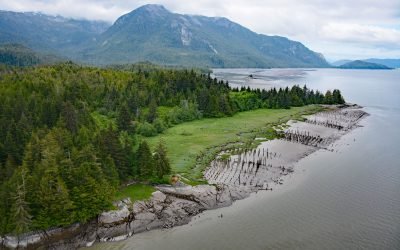
Port Essington, Skeena River
Port Essington is an abandoned cannery town on the south bank of the Skeena River estuary at the confluence of the Ecstall River, about 61 miles (98 km) southwest of Terrace and 18 miles (29 km) southeast of Prince Rupert, British Columbia.
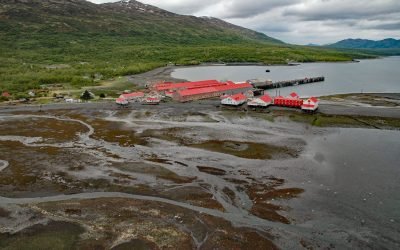
Larsen Bay Cannery, Kodiak Island
Larsen Bay is a small village and historical salmon cannery on Larsen Bay, an embayment that extends 6 miles (9.6 km) off of Uyak Bay on the west coast of Kodiak Island, about 125 miles (202 km) southeast of King Salmon and 58 miles (94 km) west-southwest of Kodiak, Alaska.
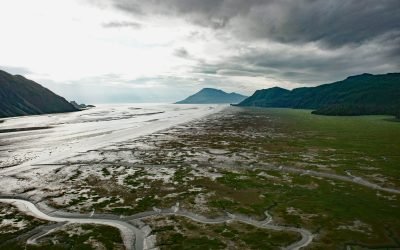
Tuxedni Bay, Cook Inlet
Tuxedni Bay is an estuary that extends southeast for 14 miles (23 km) from the mouth of Tuxedni River to Cook Inlet, at Chisik Island, about 59 miles (95 km) northwest of Homer and 57 miles (92 km) southwest of Kenai, Alaska.
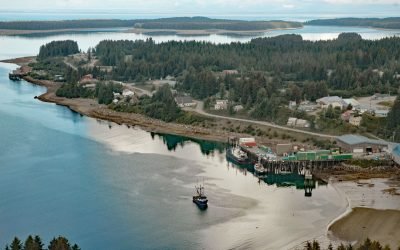
Yakutat, Monti Bay
Yakutat is a small community at the head of Monti Bay, on the southeast shore of Yakutat Bay, about 222 miles (358 km) east-southeast of Cordova and 210 miles (339 km) northwest of Juneau, Alaska.
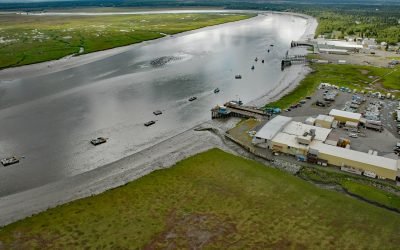
Kenai River, Cook Inlet
Kenai River flows into Cook Inlet on the western shore of the Kenai Peninsula, about 65 miles (105 km) southwest of Anchorage and at the community of Kenai, Alaska.
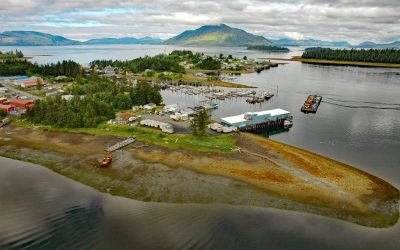
Craig, Prince of Wales Island
Craig is a community on the western coast of Prince of Wales Island approximately 56 miles (90 km) northwest of Ketchikan and 220 miles (350 km) south of Juneau, Alaska.
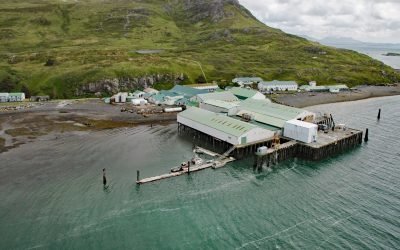
Alitak Cannery, Lazy Bay
Alitak is a historical salmon cannery and fish processing plant located on Lazy Bay at the southern end of Kodiak Island, about 152 miles (245 km) southeast of King Salmon and 92 miles (148 km) southwest of Kodiak, Alaska.
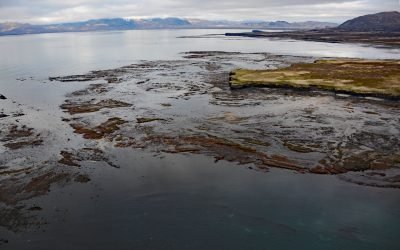
Aniakchak Bay, Aniakchak National Monument and Preserve
Aniakchak Bay is on the Pacific coast of Aniakchak National Monument and Preserve that surrounds Mount Aniakchak, a caldera in the Aleutian Range, about 200 miles (323 km) southwest of Kodiak and 50 miles (81 km) northeast of Chignik, Alaska.

Diamond NN Cannery, South Naknek
Diamond NN is a historic cannery in South Naknek at the mouth of the Naknek River that flows into Kvichak Bay, an arm of Bristol Bay, about 56 miles (90 km) southeast of Dillingham and 13 miles (21 km) west of King Salmon, Alaska.

Kasilof River, Kenai Peninsula
Kasilof River starts at the outlet of Tustumena Lake on the Kenai Peninsula and flows generally northwest for 17 miles (27 km) through the Kenai Lowland to Cook Inlet, draining a watershed of 93,275 acres (37,747 ha), about 51 miles (82 km) north-northeast of Homer and 13 miles (21 km) south-southwest of Kenai, Alaska.
About the background graphic
This ‘warming stripe’ graphic is a visual representation of the change in global temperature from 1850 (top) to 2019 (bottom). Each stripe represents the average global temperature for one year. The average temperature from 1971-2000 is set as the boundary between blue and red. The colour scale goes from -0.7°C to +0.7°C. The data are from the UK Met Office HadCRUT4.6 dataset.
Click here for more information about the #warmingstripes.