
Communities
Recent Articles
More Articles
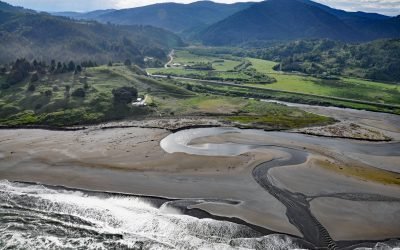
Ophir, Euchre Creek
Ophir is a small community on Euchre Creek in Curry County, about 0.5 miles (0.8 km) upstream from the Pacific Ocean, and 4 miles (6.5 km) northeast of the community of Nesika Beach, Oregon.
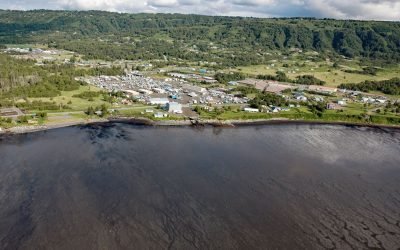
Millers Landing, Kachemak Bay
Millers Landing is on the north shore of Kachemak Bay, on the Kenai Peninsula, about 4 miles (6.5 km) northwest of Homer, Alaska.
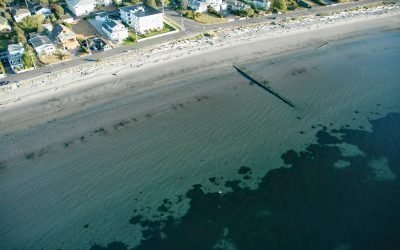
Willows Beach, Oak Bay
Willows Beach is a beachfront neighborhood between Bowker Creek and Cattle Point at the head of Oak Bay in Victoria, British Columbia.
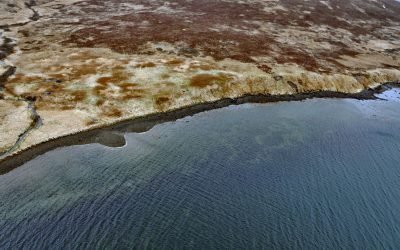
Morzhovoi, Bechevin Bay
Morzhovoi is an abandoned village on the southern shore of Trader Cove and the eastern shore of Bechevin Bay, on the Alaska Peninsula, about 5.5 miles (8.9 km) northeast of False Pass, Alaska.

Mush Bay, East Arm Uganik Bay
Mush Bay is a local name for a shallow embayment on the western shore of the East Arm of Uganik Bay on Kodiak Island’s west coast, about 22 miles (35 km) northeast of Larsen Bay and 40 miles (65 km) west-southwest of Kodiak, Alaska.
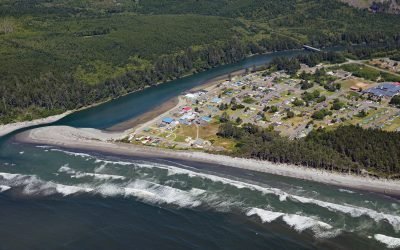
Taholah, Quinault River
Taholah is a community located at the mouth of the Quinault River on lands of the Quinault Indian Nation, about 9 miles (14 km) north of Moclips and 41 miles (66 km) north of Hoquiam on the Olympic Peninsula, Washington.
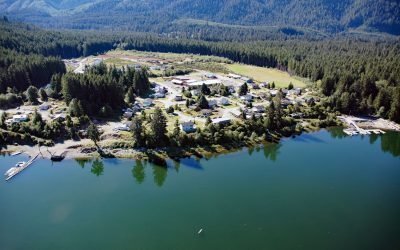
Malachan, Nitinat Lake
Malachan is a Ditidaht community of the Nuu-chah-nulth First Nation located at the head of Nitinat Lake on the west coast of Vancouver Island, 37 miles (60 km) southeast of Bamfield, and 93 miles (150 km) northwest by road from Victoria, British Columbia.
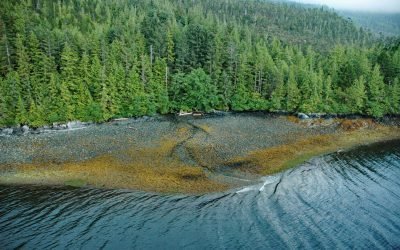
Copper City, Hetta Inlet
Copper City is an abandoned mining community located on the eastern shore of Hetta Inlet, on the southwest coast of Prince of Wales Island, about 5.5 miles (9 km) north of Lime Point and 10 miles (16 km) southeast of Hydaburg.
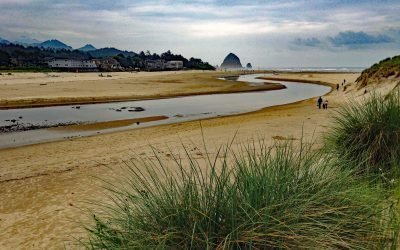
Ecola Creek, Cannon Beach
Ecola Creek flows into the Pacific Ocean at the northern edge of Cannon Beach, a small resort community approximately 30 miles (48 km) north of Tillamook and 8 miles (12 km) south of Seaside, Oregon.
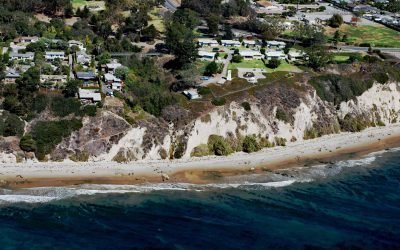
Santa Barbara Lighthouse, Santa Barbara
The Santa Barbara Lighthouse is located between the East Mesa and West Mesa neighborhoods, about 2 miles (3 km) west of Santa Barbara Harbor, in the City of Santa Barbara, California.
About the background graphic
This ‘warming stripe’ graphic is a visual representation of the change in global temperature from 1850 (top) to 2019 (bottom). Each stripe represents the average global temperature for one year. The average temperature from 1971-2000 is set as the boundary between blue and red. The colour scale goes from -0.7°C to +0.7°C. The data are from the UK Met Office HadCRUT4.6 dataset.
Click here for more information about the #warmingstripes.