
Communities
Recent Articles
More Articles
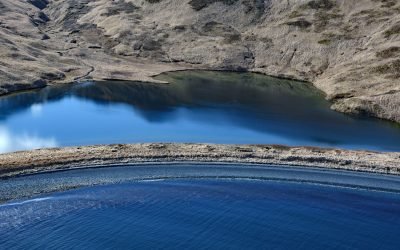
Biorka, Sedanka Island
Biorka is an abandoned Unangan Aleut village on the northwest coast of Sedanka Island in the Fox Islands of the Eastern Aleutians, situated between Udamat Bay and Sisek Cove, about 27 miles (44 km) southwest of Akutan and 14 miles (23 km) east-southeast of Unalaska, Alaska.
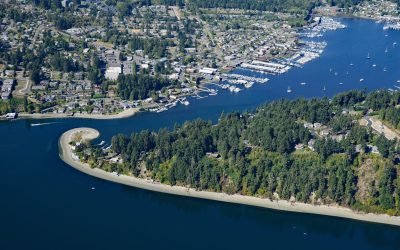
Gig Harbor, Puget Sound
Gig Harbor is an embayment and community on the western shore of Puget Sound across from Point Defiance at the confluence of Tacoma Narrows, Dalco Passage, and Colvos Passage, about 21 miles (34 km) south-southwest of Seattle and 8.5 miles (14 km) northwest of Tacoma, Washington.
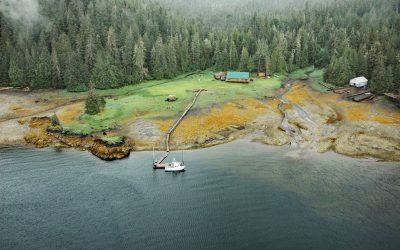
Saltery Cove, Skowl Arm
Saltery Cove is an embayment that extends southeast for 1.5 miles (2.4 km) off Skowl Arm on the east coast of Prince of Wales Island, about 26 miles (42 km) west of Ketchikan and 10 miles (16 km) south-southeast of the Organized Village of Kasaan, Alaska.
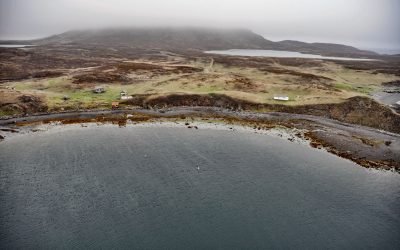
Pauloff Harbor, Sanak Island
Pauloff Harbor is a historic community established as a codfish station in 1886 on the north coast of Sanak Island and the west shore of Pavlof Harbor, about 160 miles (257 km) east-northeast of Dutch Harbor and 45 miles (72 km) south-southwest of King Cove, Alaska.
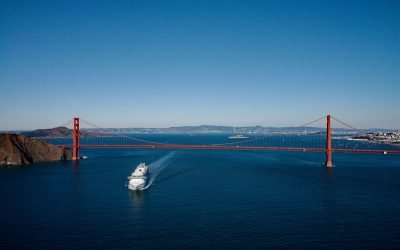
The Golden Gate, San Francisco Bay
The Golden Gate is a turbulent strait about 1 mile (1.6 km) wide, between Lime Point to the north and Fort Point to the south, that connects San Francisco Bay to the Pacific Ocean, about 4 miles (6.4 km) west-northwest of downtown San Francisco and 2.2 miles (3.5 km) south of Sausalito, California.
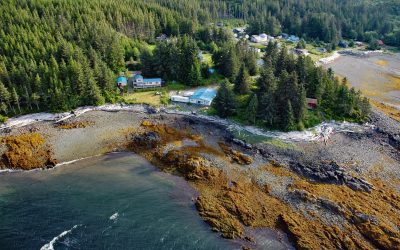
Kasaan, Prince of Wales Island
Kasaan is a small community on the north shore of Kasaan Bay and the southern shore of the Kasaan Peninsula, on the east coast of Prince of Wales Island, about 65 miles (105 km) south of Wrangell and 33 miles (53 km) west-northwest of Ketchikan, Alaska.
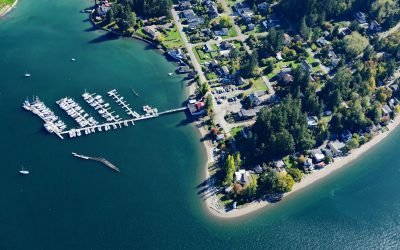
Dofflemyer Point, Boston Harbor
Dofflemyer Point is located in the community of Boston Harbor, on the eastern shore of South Puget Sound, and defines the entrance to Budd Inlet, about 23 miles (37 km) west-southwest of Tacoma and 7 miles (11 km) north of Olympia, Washington.
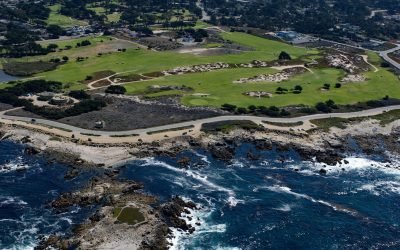
Point Pinos, Pacific Grove
Point Pinos is in the community of Pacific Grove at the northern end of the Monterey Peninsula and is the location of the oldest continuously operated lighthouse on the U.S. west coast, about 24 miles (39 km) south-southeast of Santa Cruz and 3 miles (4.8 km) northwest of Monterey, California.
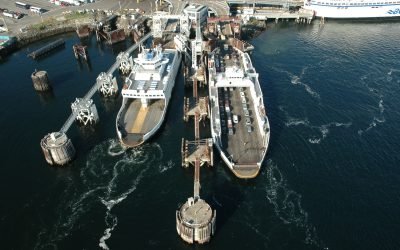
Swartz Bay, North Saanich
Swartz Bay is at the north end of the Saanich Peninsula on Vancouver Island and is the location of a BC Ferries terminal that provides the marine link connecting Highway 17 with the mainland, about 25 miles (40 km) southwest of Tsawwassen and 2.7 miles (4.3 km) north of Sidney, British Columbia.
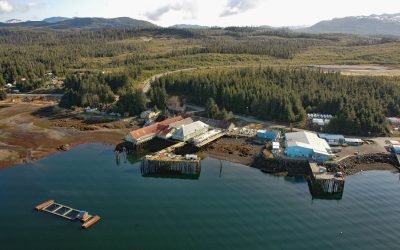
Kake, Kupreanof Island
Kake is a Tlingit village on the northeastern shore of Keku Strait, on the northwest shore of Kupreanof Island in the Alexander Archipelago of Southeast Alaska, about 95 miles (153 km) south-southeast of Juneau and 39 miles (63 km) west-northwest of Peterburg, Alaska.
About the background graphic
This ‘warming stripe’ graphic is a visual representation of the change in global temperature from 1850 (top) to 2019 (bottom). Each stripe represents the average global temperature for one year. The average temperature from 1971-2000 is set as the boundary between blue and red. The colour scale goes from -0.7°C to +0.7°C. The data are from the UK Met Office HadCRUT4.6 dataset.
Click here for more information about the #warmingstripes.