Communities
Recent Articles
More Articles
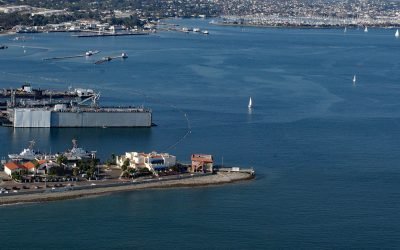
Ballast Point, San Diego Bay
Ballast Point is a peninsula that extends northwest for 0.44 miles (0.7 km) from the Point Loma Peninsula at the mouth of San Diego Bay, about 11 miles (18 km) south of La Jolla and 4 miles (6 km) southwest of downtown San Diego, California.
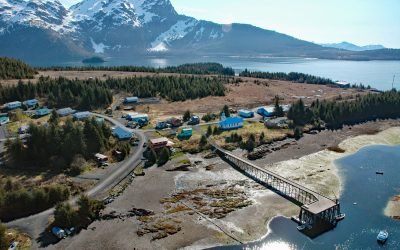
Tatitlek, Prince William Sound
Tatitlek is a small Chugach Alutiiq community located on the northeastern shore of Tatitlek Narrows across from Bligh Island and at the mouth of Boulder Bay on the eastern shore of Prince William Sound, about 24 miles (38 km) southwest of Valdez and 39 miles (63 km) northwest of Cordova, Alaska.
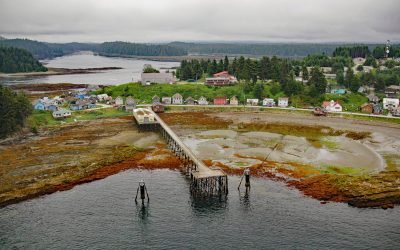
Angoon, Kootznahoo Inlet
Angoon is a historic Tlingit village located on an isthmus at the mouth of Kootznahoo Inlet on the eastern shore of Chatham Strait and the west coast of Admiralty Island, about 77 miles (124 km) northwest of Petersburg and 60 miles (97 km) southwest of Juneau, Alaska.
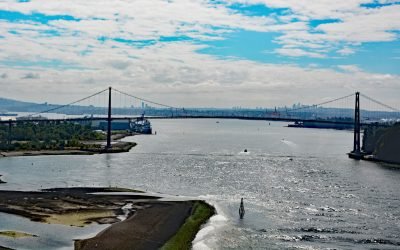
Lions Gate Bridge, Burrard Inlet
Lions Gate Bridge spans Burrard Inlet at the First Narrows, a strait about 1,312 feet (400 m) wide between Prospect Point in Stanley Park to the south and the sandy shoals of the Capilano River mouth to the north, about 2 miles (3.2 km) southeast of West Vancouver and 2 miles (3.2 km) northwest of downtown Vancouver, British Columbia.
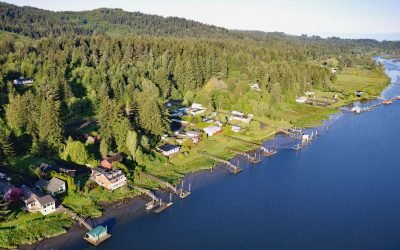
Drift Creek Landing, Alsea River
Drift Creek Landing is a community on the south bank of the Alsea River, opposite the confluence of Drift Creek, a major Coast Range tributary joining the Alsea about 3.4 miles (5.5 km) east of Waldport, about 16 miles (26 km) south-southeast of Newport and 9 miles (15 km) northeast of Yachats, Oregon.
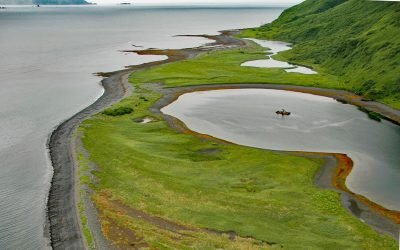
Three Saints Harbor, Kodiak Island
Three Saints Harbor is the location of a historical Russian settlement established in 1784 on Three Saints Bay on the east coast of Kodiak Island, about 63 miles (101 km) southwest of Kodiak and 29 miles (47 km) northeast of Akhiok, Alaska.
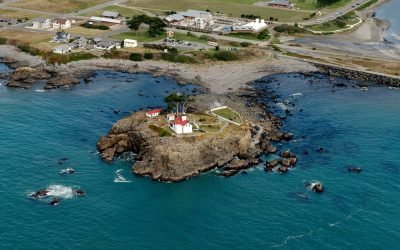
Battery Point, Crescent City
Battery Point forms the western shore of a crescent-shaped bight, and the harbor for Crescent City, about 22 miles (35 km) south-southeast of Brookings and 66 miles (106 km) north of Eureka, California.
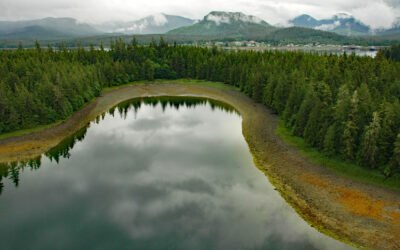
Spook Island, Hydaburg
Spook Island is in Cordova Bay, on the west coast of Prince of Wales Island, about 23 miles (37 km) southeast of Craig and across Sukkwan Strait from and 0.75 miles (1.2 km) west of Hydaburg, Alaska.
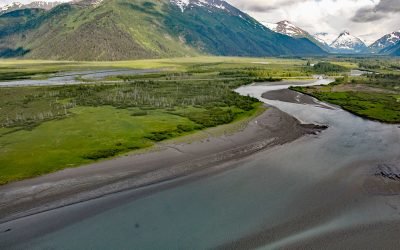
Portage, Turnagain Arm
Portage is a historical community and railroad siding at milepost 64.2 on the Alaska Railroad at the head of Turnagain Arm in the Chugach National Forest, about 41 miles (66 km) south of Anchorage and 11 miles (18 km) northwest of Whittier, Alaska.
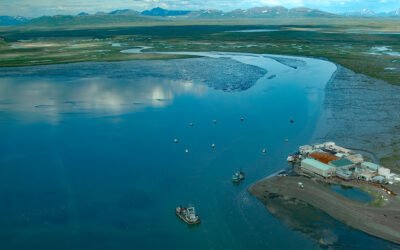
Togiak River, Bristol Bay
Togiak River starts at Togiak Lake and flows southwest for 37 miles (60 km) to a wetland marsh about 4 miles (6 km) wide where the river channel splits, with the east channel flowing past the village of Twin Hills to Togiak Bay, and the main channel flowing 11 miles (18 km) to Togiak Bay near the village of Togiak on Bristol Bay, about 129 miles (208 km) southeast of Bethel and 66 miles (106 km) west of Dillingham, Alaska.
About the background graphic
This ‘warming stripe’ graphic is a visual representation of the change in global temperature from 1850 (top) to 2019 (bottom). Each stripe represents the average global temperature for one year. The average temperature from 1971-2000 is set as the boundary between blue and red. The colour scale goes from -0.7°C to +0.7°C. The data are from the UK Met Office HadCRUT4.6 dataset.
Click here for more information about the #warmingstripes.