
Communities
Recent Articles
More Articles
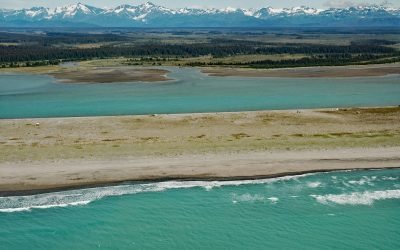
Situk River, Johnson Slough
Situk River starts at Situk Lake and flows southwest for about 18 miles (29 km) through the Yakutat Forelands in Tongass National Forest to Johnson Slough on the Gulf of Alaska, about 200 miles (322 km) northwest of Juneau and 9 miles (15 km) southeast of Yakutat, Alaska.
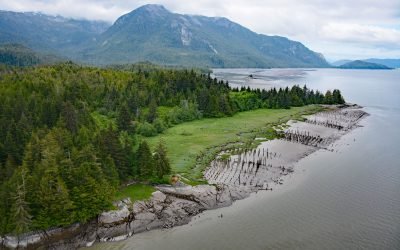
Port Essington, Skeena River
Port Essington is an abandoned cannery town on the south bank of the Skeena River estuary at the confluence of the Ecstall River, about 61 miles (98 km) southwest of Terrace and 18 miles (29 km) southeast of Prince Rupert, British Columbia.
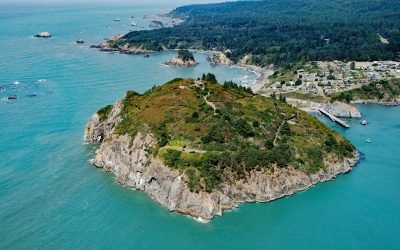
Trinidad Head, Trinidad Bay
Trinidad Head is a prominent headland joined to the mainland by a narrow isthmus adjacent to the town of Trinidad and protecting Trinidad Bay, about 48 miles (77 km) south of Crescent City and 18 miles (29 km) north of Eureka, California.
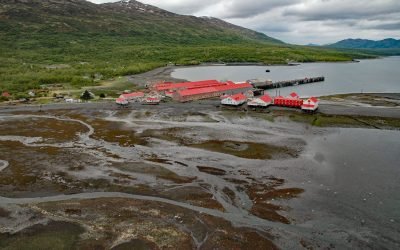
Larsen Bay Cannery, Kodiak Island
Larsen Bay is a small village and historical salmon cannery on Larsen Bay, an embayment that extends 6 miles (9.6 km) off of Uyak Bay on the west coast of Kodiak Island, about 125 miles (202 km) southeast of King Salmon and 58 miles (94 km) west-southwest of Kodiak, Alaska.
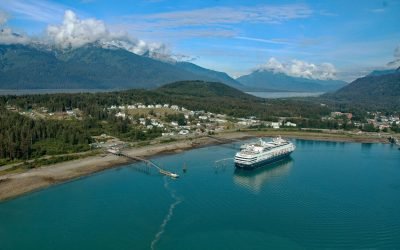
Haines, Chilkoot Inlet
Haines is a small Southeast Alaska community on the Chilkat Peninsula at the north end of Lynn Canal between Chilkat Inlet and Chilkoot Inlet, about 75 miles (121 km) north-northwest of Juneau and 15.5 miles (25 km) south-southwest of Skagway, Alaska.

Bodega Head, Bodega Bay
Bodega Head is a granitic promontory at the north end of Bodega Bay in Sonoma County, approximately 40 miles (64 km) northwest of San Francisco and 20 miles (32 km) west of Santa Rosa, California.
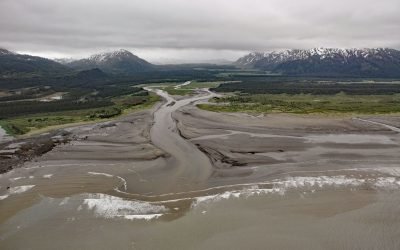
SS Portland, Katalla River
SS Portland is a shipwreck at the mouth of the Katalla River, near the abandoned oil prospecting community of Katalla, about 70 miles (113 km) west-northwest of Yakataga and 48 miles (77 km) southeast of Cordova, Alaska.
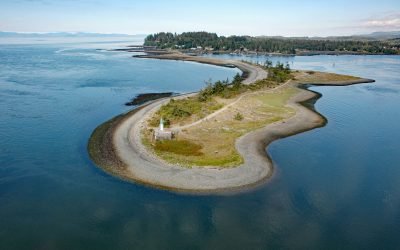
Whiffin Spit, Sooke Harbour
Whiffin Spit is a narrow sandspit that almost landlocks Sooke Harbour and Sooke Basin, about 17 miles (27 km) southwest of Victoria and 1.5 miles (2.4 km) southeast of Sooke, British Columbia.
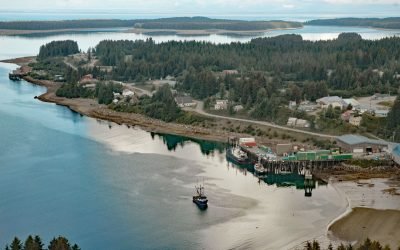
Yakutat, Monti Bay
Yakutat is a small community at the head of Monti Bay, on the southeast shore of Yakutat Bay, about 222 miles (358 km) east-southeast of Cordova and 210 miles (339 km) northwest of Juneau, Alaska.
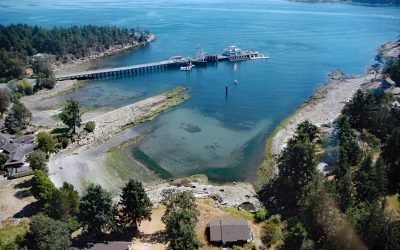
Sturdies Bay, Galiano Island
Sturdies Bay is an embayment near the northern entrance to Active Pass between Rip Point and Burrill Point on the southeast shore of Galiano Island, one of the southern Gulf Islands, about 19 miles (31 km) southwest of Delta and 16 miles (26 km) north-northwest of Sidney, British Columbia.
About the background graphic
This ‘warming stripe’ graphic is a visual representation of the change in global temperature from 1850 (top) to 2019 (bottom). Each stripe represents the average global temperature for one year. The average temperature from 1971-2000 is set as the boundary between blue and red. The colour scale goes from -0.7°C to +0.7°C. The data are from the UK Met Office HadCRUT4.6 dataset.
Click here for more information about the #warmingstripes.