
Historical Sites
Recent Articles
More Articles
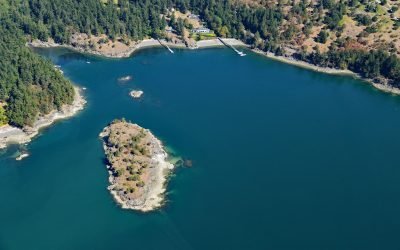
Skull Island, Massacre Bay
Skull Island is about 0.13 miles (0.2 km) long with an area of 2.5 acres (1.0 ha) situated at the head of Massacre Bay in West Sound, a large embayment on the southern shore of Orcas Island, about 25 miles (40 km) west-southwest of Bellingham and 8.5 miles (14 km) north-northeast of Friday Harbor, Washington.
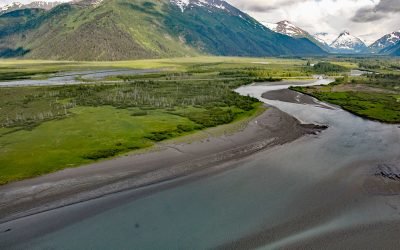
Portage, Turnagain Arm
Portage is a historical community and railroad siding at milepost 64.2 on the Alaska Railroad at the head of Turnagain Arm in the Chugach National Forest, about 41 miles (66 km) south of Anchorage and 11 miles (18 km) northwest of Whittier, Alaska.
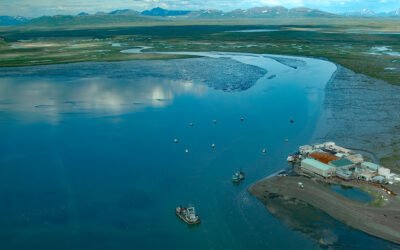
Togiak River, Bristol Bay
Togiak River starts at Togiak Lake and flows southwest for 37 miles (60 km) to a wetland marsh about 4 miles (6 km) wide where the river channel splits, with the east channel flowing past the village of Twin Hills to Togiak Bay, and the main channel flowing 11 miles (18 km) to Togiak Bay near the village of Togiak on Bristol Bay, about 129 miles (208 km) southeast of Bethel and 66 miles (106 km) west of Dillingham, Alaska.
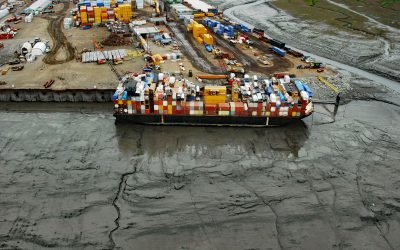
Ship Creek, Knik Arm
Ship Creek flows generally northwest for about 28 miles (45 km) from the Chugach Mountains to Knik Arm, about 22 miles (35 km) southwest of the village of Knik and 0.5 miles (0.8 km north of downtown Anchorage, Alaska.
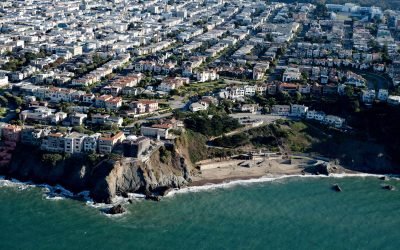
China Beach, San Francisco
China Beach is a small sandy cove on the South Bay of the Golden Gate tucked between Lands End and Baker Beach, once used as a campsite by Chinese fishermen, about 7 miles (11 km) north of Daly City and 5 miles (8 km) west of downtown San Francisco, California.
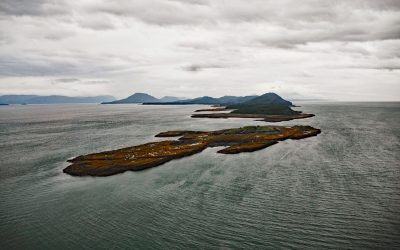
Little Island, Lynn Canal
Little Island is in Lynn Canal at the north end of Favorite Channel, 0.4 miles (0.6 km) north of Ralston Island, and about 67 miles (108 km) south of Skagway and 28 miles (45 km) northwest of Juneau, Alaska.
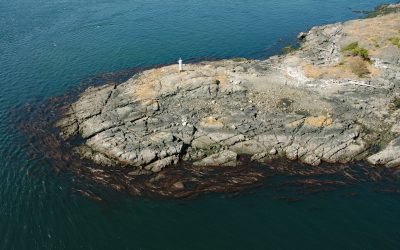
Fairfax Point, Moresby Island
Fairfax Point is a point of land at the southern tip of Moresby Island, one of the Southern Gulf Islands, about 41 miles (66 km) south-southwest of Vancouver and 6 miles (10 km) northeast of Sidney, British Columbia.
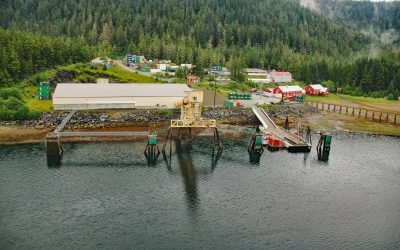
Greens Creek Mine, Hawk Inlet
Greens Creek Mine is the fifth-largest silver producer in the world, located on the eastern shore of Hawk Inlet on Admiralty Island, about 77 miles (124 km) north-northeast of Sitka and 18 miles (29 km) southwest of Juneau, Alaska.
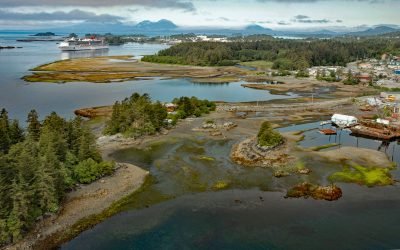
Sitka, Baranof Island
Sitka is a community situated on Sitka Sound on the west coast of Baranof Island, about 185 miles (298 km) northwest of Ketchikan and 95 miles (153 km) southwest of Juneau, Alaska.

Soquel Creek, Capitola
Soquel Creek runs through Capitola, a community adjacent to Santa Cruz on the north coast of Monterey Bay, about 75 miles (120 km) south of San Francisco and 26 miles (42 km) north of Monterey, California.
About the background graphic
This ‘warming stripe’ graphic is a visual representation of the change in global temperature from 1850 (top) to 2019 (bottom). Each stripe represents the average global temperature for one year. The average temperature from 1971-2000 is set as the boundary between blue and red. The colour scale goes from -0.7°C to +0.7°C. The data are from the UK Met Office HadCRUT4.6 dataset.
Click here for more information about the #warmingstripes.