Beaches
Recent Articles
More Articles
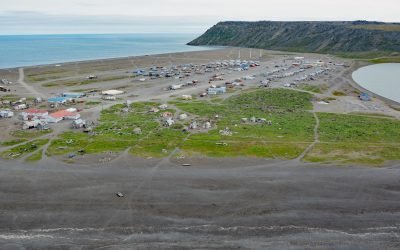
Gambell, Saint Lawrence Island
Gambell is a community on Saint Lawrence Island at Northwest Cape in the northern Bering Sea on a broad, shallow-water continental shelf that extends from western Alaska to northeastern Russia, about 196 miles (316 km) southwest of Nome, Alaska, and 62 miles (100 km) southeast of Provideniya, Russia.
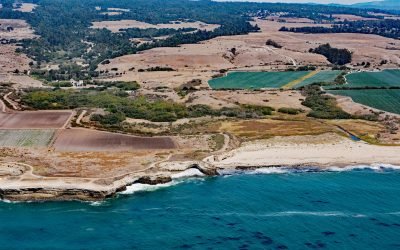
Wilder Ranch State Park, Natural Bridges State Marine Reserve
Wilder Ranch is a California State Park bordered by the Natural Bridges State Marine Reserve, located about 59 miles (95 km) south-southeast of San Francisco and 3 miles (5 km) southwest of Santa Cruz, California.
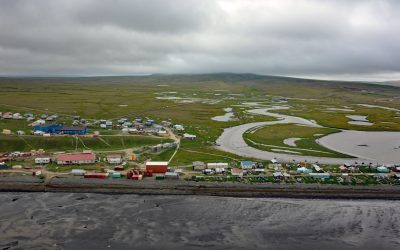
Tununak, Nelson Island
Tununak is a traditional Central Yup’ik community located on the northwest coast of Nelson Island on a narrow barrier spit between the Bering Sea and the mouth of the Tununak River, about 119 miles (192 km) west-southwest of Bethel and 71 miles (114 km) south-southeast of Hooper Bay, Alaska.
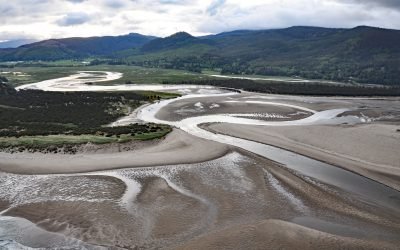
Whalen Island, Sand Lake
Whalen Island is located in Sand Lake which is the estuary of Sand Creek that starts at an elevation of 770 feet (235 m) in the Oregon Coast Range and flows generally south-southwest for 8 miles (13 km) to the Pacific Ocean draining a watershed of 10,880 acres (4,403 ha), about 13 miles (21 km) south-southwest of Tillamook and 5 miles (8 km) north of Pacific City, Oregon.

Nunagiak, Point Belcher
Nunagiak is an abandoned village at Point Belcher that dates to the prehistorical Thule culture, located about 78 miles (126 km) southwest of Utquiagvik and 15 miles (24 km) northeast of Wainwright, Alaska.
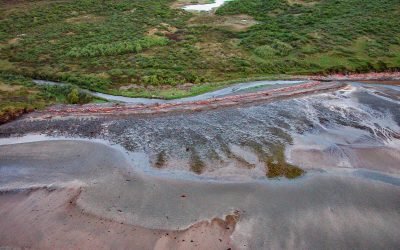
Kashvik Bay, Cape Kubugakli
Cape Kubugakli is a prominent headland on Shelikof Strait that forms the southwest coast of Kashvik Bay and marks the southern coastal boundary of Katmai National Park and Preserve, about 98 miles (158 km) west-northwest of Kodiak and 75 miles (121 km) southeast of King Salmon, Alaska.
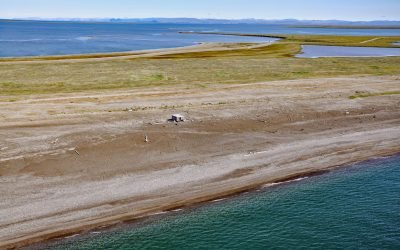
Jabbertown, Point Hope
Jabbertown is a historical shore whaling station on the Chukchi Sea coast, about 150 miles (242 km) northwest of Kotzebue and 2.5 miles (4 km) southeast of Point Hope, also known as Tikiġaq or Tigara, Alaska.

Sealing Point, Cape Krusenstern
A sealing observation tower used seasonally by Iñupiat hunters is at the tip of Cape Krusenstern, about 48 miles (77 km) southeast of Kivalina and 35 miles (56 km) northwest of Kotzebue, Alaska.

Kustatan, West Foreland
Kustatan is a historical Dena’ina community on West Foreland, on the west side of Cook Inlet near the mouth of the Kustatan River, about 71 miles (115 km) southwest of Anchorage and 20 miles (32 km) northwest of Kenai, Alaska.
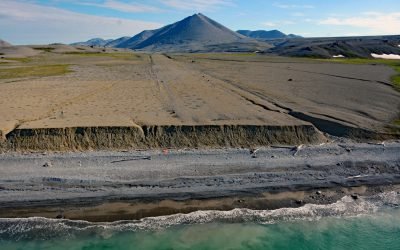
Lost River Mine, York Mountains
Lost River starts at an elevation of 1400 feet (427 m) on the south flank of the York Mountains on the Seward Peninsula and flows south for 9.5 miles (15 km) to the Bering Sea, about 86 miles (138 km) northwest of Nome and 31 miles (50 km) southeast of Wales, Alaska.
About the background graphic
This ‘warming stripe’ graphic is a visual representation of the change in global temperature from 1850 (top) to 2019 (bottom). Each stripe represents the average global temperature for one year. The average temperature from 1971-2000 is set as the boundary between blue and red. The colour scale goes from -0.7°C to +0.7°C. The data are from the UK Met Office HadCRUT4.6 dataset.
Click here for more information about the #warmingstripes.